
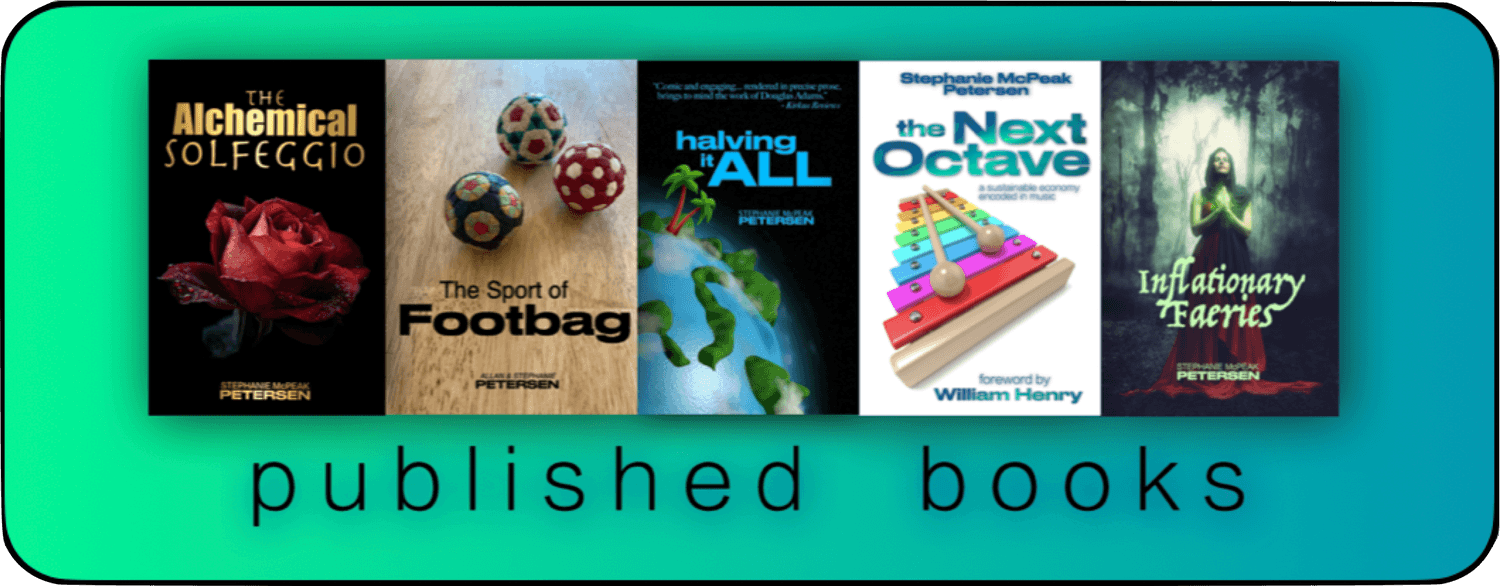
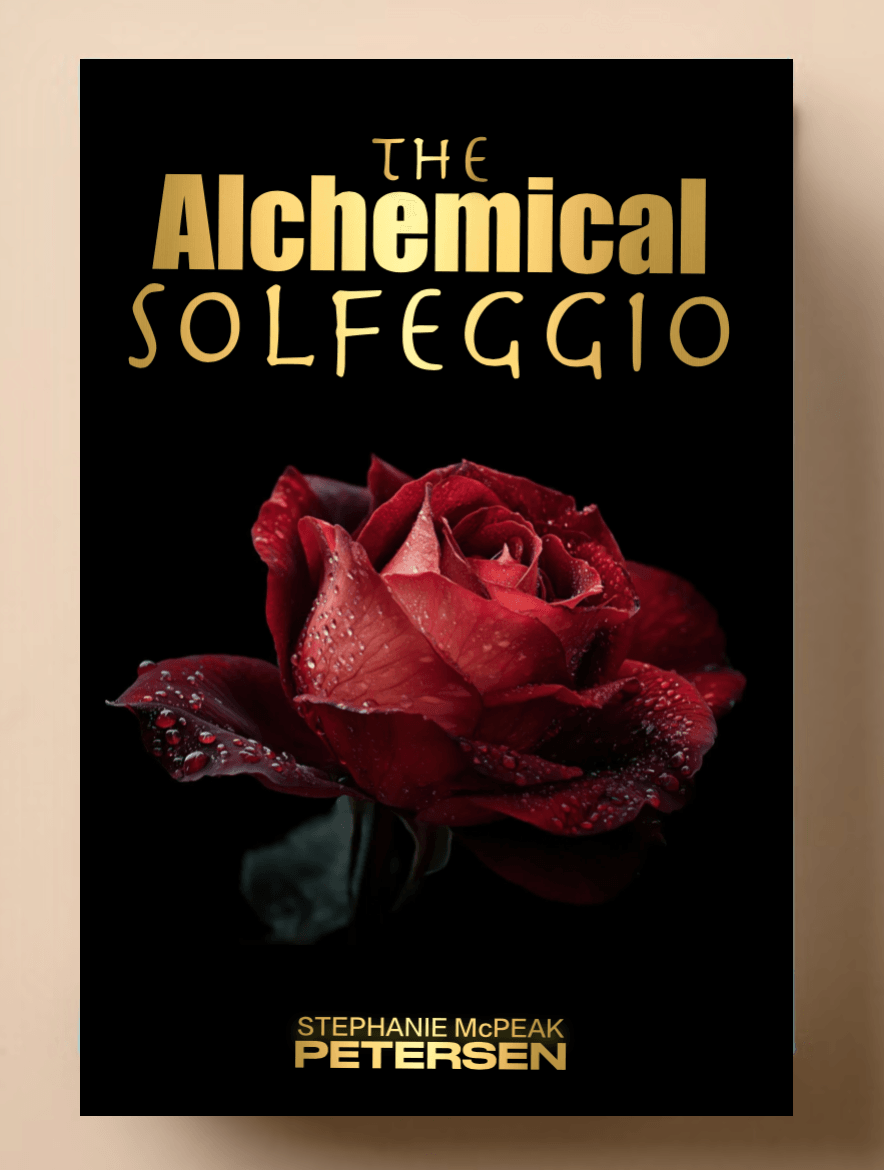
Mistranslations of Shakespeare have caused readers to miss his encoded secrets for centuries. Many of Shakespeare’s plays depict human relationships, courtship behaviors, and attempts to bond and incorporate, as metaphors of soil metallurgy. Hortensio, the failed suitor of Bianca in “The Taming of the Shrew,” stands out as a Shakespearean character, as he represents soil functioning in the realm of music. As it turns out, the harmonics of music have much to tell us about fluid dynamics, dissolution, and soil chemistry, and the Solfeggio has even more to tell us about the extraction of noble metals from the earth.
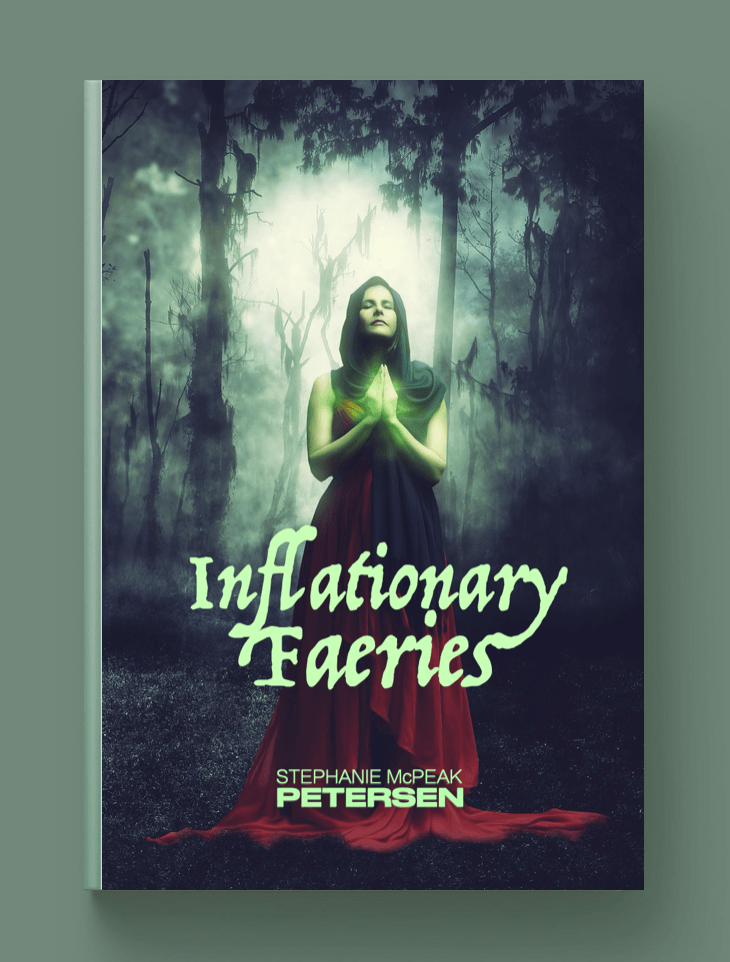
The Morrígna, the three Sisters of Strife who incite wars in the Land of Eire, have a potential fourth initiate. Brighid, the faery, has failed her initiation task eight times: she must, without using magic, steal the saved coin of Laird Leannán of Faodail. But how to conduct a theft from afar? To complete the impossible task set before her, the faery must arrange a marriage, form a central bank, partner with the ruling Prince Balor, and fund both sides of an Ulster battle, all while a Scots knight, Sir Gavenleigh of Stane, attempts to save the shire folk from the financial sorcery of Brighid, her mother, and her unscrupulous aunts.
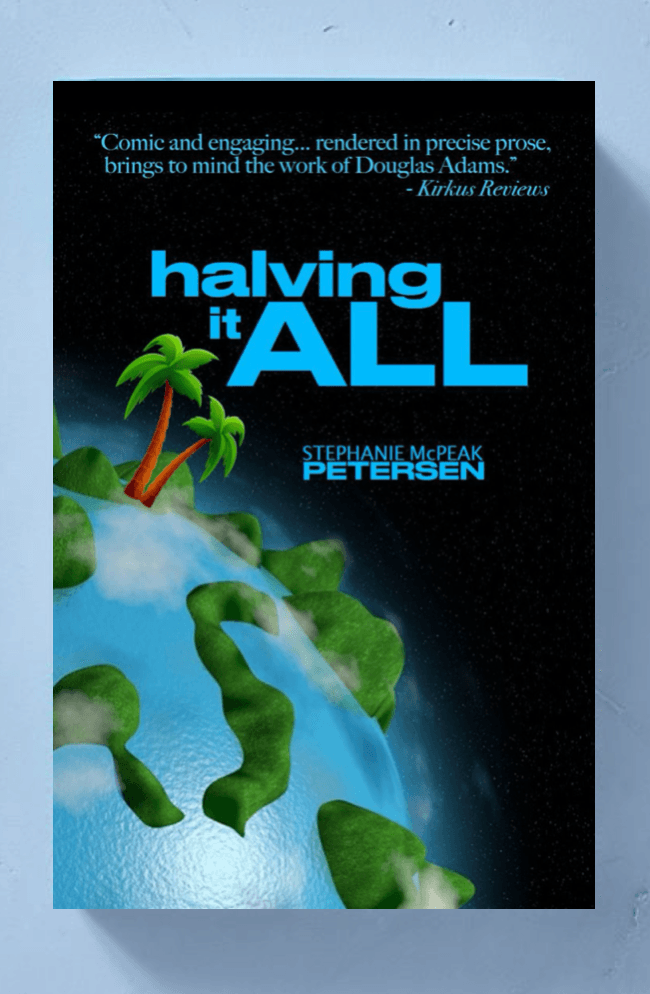
In this fun romp through the western Milky Way, Violet Self teaches economic concepts at several moon-based re-education camps. But when the Earth is closed during a pandemic, she befriends a few of her former Earthling campers forced to stay on Violet's home moon. Together they attempt to solve its vicious hyperinflation, while mitigating the physical effects of an economic vaccine that's being secretly dosed out. Sir Riordan Vastly, the author of Violet's favorite econ textbook, along with his constantly rhyming wife, join Violet and her cat (Fred) in tracking down the real cause of the moon's inflationary troubles. The playful scifi story melds Douglas Adams (Hitchhiker's Guide to the Galaxy) with Henry Hazlitt (Economics in One Lesson).
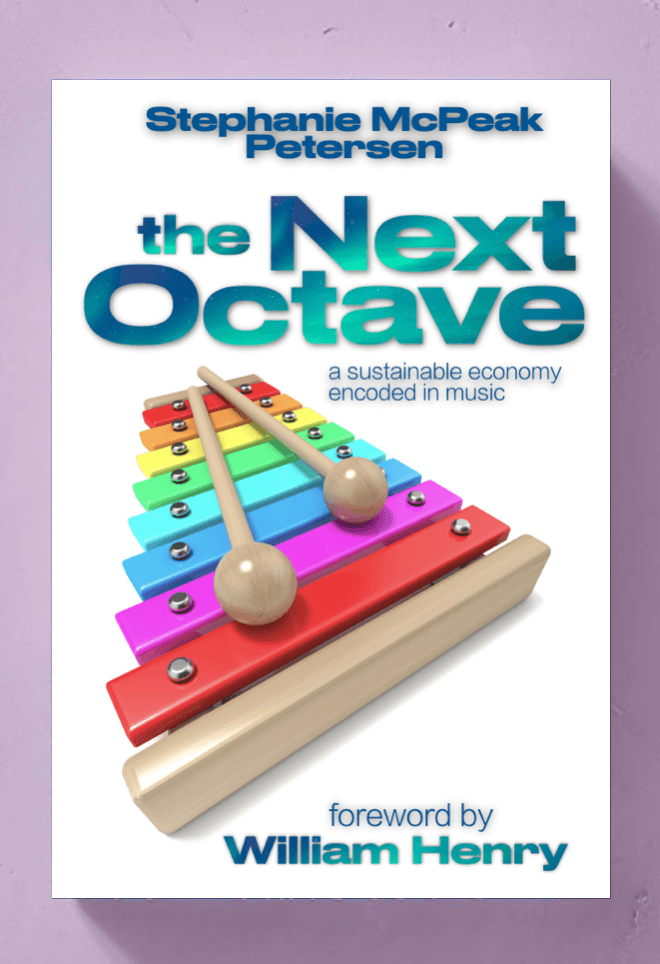
Music and money share an immutable connection. Both systems, encoded with mathematical ratios of creative tension, have the power to produce both harmony and dissonance. Over the centuries, governing philosophies tempering both music and money have created two systems of fiat notes, the values of which have been noticeably distorted. Musical regulations temper our monetary system, while a correlating theory of systemic debt tempers musical pitch. At the center of this controversy sit two powerful philosophers: Plato and Bacon. Plato lured us in with encoded musical ratios built into the political structures of his city-states; can Bacon lead us out with a ciphered trail of breadcrumbs revealing the musical conspiracy of the tritone? If we read between Bacon's lines, we find that tuning music and money with just intervals seems to hold the key to dismantling these debt-based systems and creating a more harmonious and economically sustainable world.
Stephanie McPeak Petersen
Join me on deep dives into Shakespeare, Francis Bacon, harmonics, economics, and hidden history.


My husband Allan's website:

Stay connected with my updates delivered straight to your inbox.